Key Takeaways
- Industries with high research and trust requirements are most impacted first.
- AI is shaping not just answers, but decision frameworks for users.
- A small set of brands can dominate via winner-takes-most citation patterns.
- Even transactional industries will shift via AI-driven comparisons and shortlists.
- Visibility depends on topic-level authority, not isolated pages.
- Off-site signals and consistency now influence AI trust and citations.
- The goal is to become a default reference within your category.
Introduction
AI-driven search has begun reshaping how consumers discover brands, evaluate options, and make decisions. Generative engines like Google Gemini, ChatGPT, Perplexity, and Copilot now curate and summarize knowledge rather than list results.
This shift doesn’t affect every sector equally. Some industries are far more exposed to disruption. Understanding where your business stands helps you prepare for how Answer Engine Optimization (AEO) and Generative Engine Optimization (GEO) will redefine visibility, leads, and competitive advantage.
Early data patterns show that industries with longer decision cycles and higher research depth are experiencing faster shifts toward AI-driven discovery, as users increasingly rely on summarized insights before exploring individual brands.
Which industries face the biggest impact?
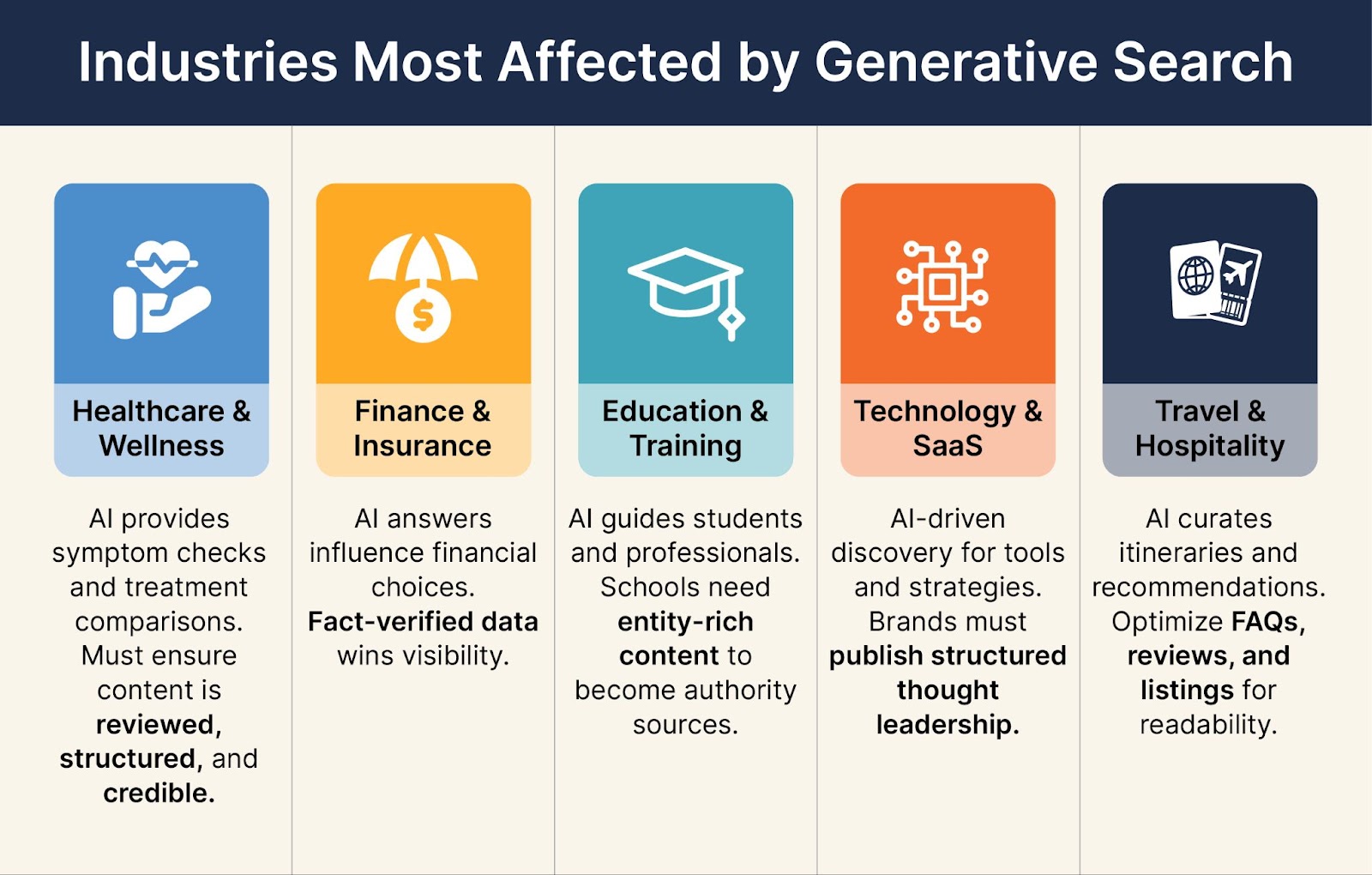
The industries most affected share one thing in common — they rely on informational discovery. These are sectors where customers seek expert answers, comparisons, or guidance before taking action.
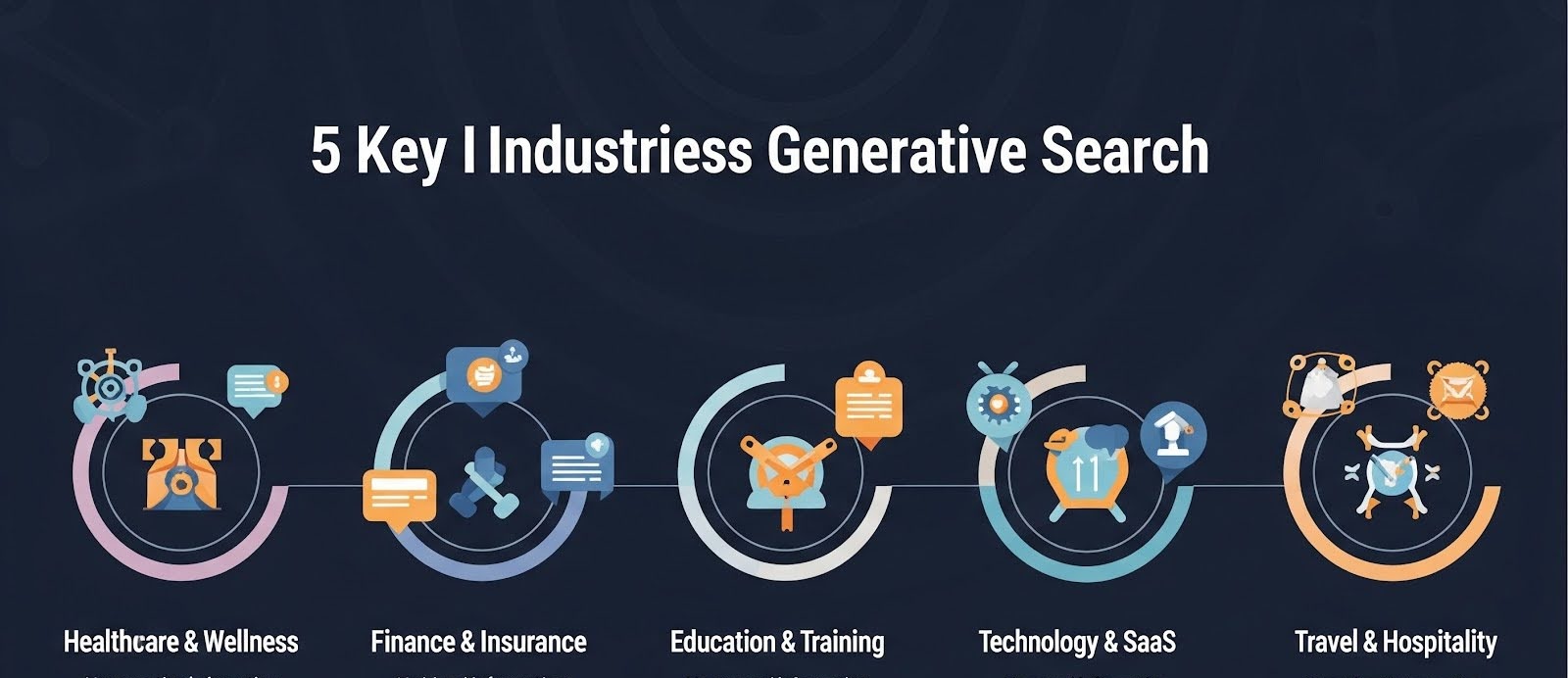
- Healthcare & Wellness: – Patients and consumers increasingly turn to AI for symptom checks, treatment options, and provider comparisons. Clinics, aesthetic centers, and healthcare brands must ensure their information is medically reviewed and structured to be cited responsibly.
- Finance & Insurance: – AI summaries in banking, investments, or insurance now influence high-stakes financial choices. Brands with well-defined, fact-verified data stand to dominate trusted answer spaces.
- Education & Training: – Students and professionals use AI assistants for career advice, course recommendations, and learning content. Institutions that build entity-rich knowledge bases will become the default authorities.
- Technology & SaaS: – From “best CRM tools” to “how AI affects marketing,” B2B discovery is now conversational. Brands that publish structured thought leadership content will appear more often in AI citations.
- Travel & Hospitality: – Generative engines already curate itineraries and hotel suggestions. Providers that optimize listings, FAQs, and reviews for AI readability will capture more direct visibility.
Read: What Kind of Content Does AI Prefer to Cite — Blogs, FAQs, or Structured Data?
Across these sectors, a common trend is emerging: AI systems are not just recommending options, but framing the decision criteria itself, thereby influencing how users evaluate “what matters” before they even compare brands.
Why do these sectors feel the change first?
Generative search prioritizes clarity, credibility, and context. In industries where decisions are guided by trust or expertise, AI models lean toward verified, semantically consistent sources.
That’s why fields like finance, health, and education face faster realignment — their success depends on being recognized as authoritative entities. Once an AI engine consistently cites a brand for a category (e.g., “best insurance plan” or “skincare treatment”), that brand can become the default reference.
This creates a winner-takes-most dynamic, where a small group of consistently cited brands dominate visibility across a wide range of related queries, reducing exposure for others even if they rank well traditionally.
Also read: What Does It Mean to Become an Authoritative Entity for AI Engines?
Meanwhile, low-involvement or purely transactional categories (like impulse retail) may feel a slower impact initially. However, even they will evolve — as AI begins generating product recommendations and comparisons, structured brand data will again determine visibility.
In these categories, the shift will likely be driven by comparison-based queries (e.g., “best under $X”, “top alternatives”), where AI-generated summaries consolidate options into a shortlist, reducing the number of brands users actively explore.
How can businesses in these industries adapt strategically?
Across sectors, leaders should begin by identifying where generative search overlaps with their customer journey.
- Audit your informational footprint: What questions are customers asking that AI is already answering?
- Structure key pages for clarity: Add schema markup, concise explanations, and entity links around core topics. Also read: How to Prepare Your Website for Google AI Overviews (Step by Step)?
- Establish thought leadership: Create content that offers verified answers to your industry’s top “money questions.”
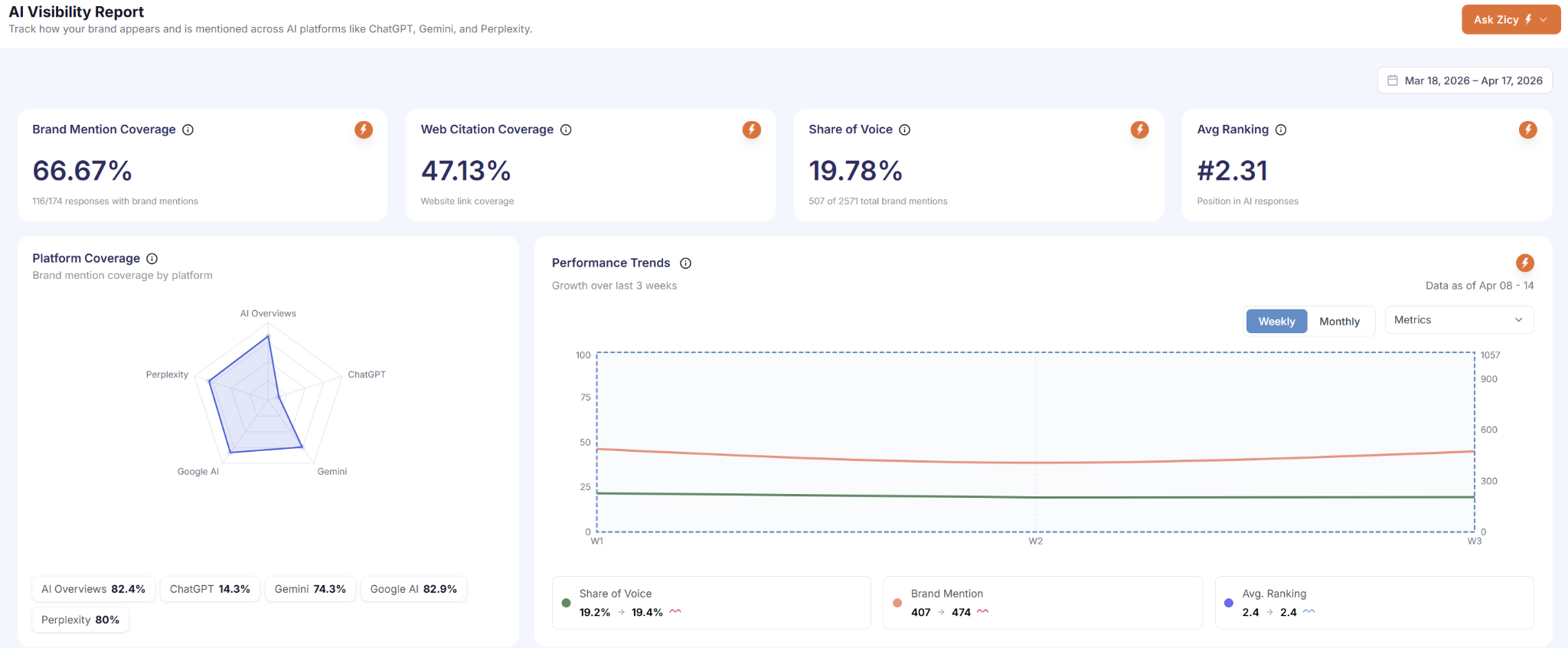
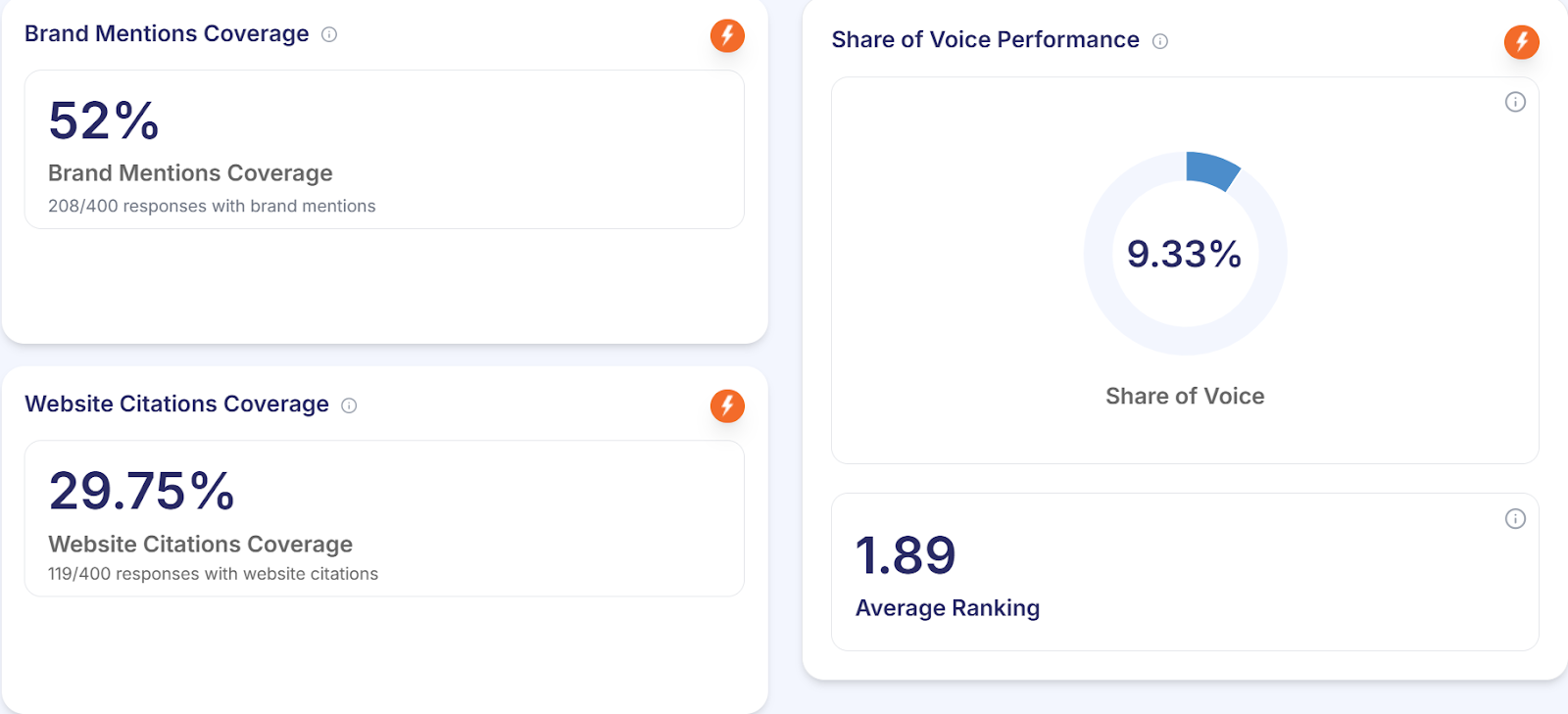
- Monitor brand mentions in AI: Track whether AI assistants name or cite your company in responses. Learn: How to Track AI Citations and Measure Their Impact on Leads and Sales?
Generative search isn’t a single disruption. It is a new content economy — one where brands compete to be referenced, not merely ranked.
A critical step is mapping your query influence zones and identifying which stages of the customer journey (awareness, comparison, decision) are already being shaped by AI-generated answers, and prioritising those for optimisation.
Businesses should also build topic-level authority clusters, ensuring that multiple pages reinforce expertise within a domain. AI systems are more likely to cite brands that demonstrate consistent depth across related topics rather than isolated high-performing pages.
Additionally, organisations should evaluate how their brand appears across external platforms (forums, reviews, knowledge bases), as AI systems increasingly incorporate off-site signals when determining trust and relevance.
Conclusion
Industries that rely on information, trust, and expert guidance will feel the effects of generative search first. The winners will be those who turn their expertise into structured, citable knowledge that AI engines can confidently quote.
Over time, this shift will extend across all industries, but those that act early in high-impact sectors will define the standards others are forced to follow.