Key Takeaways
- ROI is shifting from click-based to influence-based measurement.
- AI citations drive zero-click visibility with real downstream impact.
- AEO ROI is delayed, cumulative, and compounding over time.
- AI systems reinforce frequently cited sources, creating visibility loops.
- Citations expand across related queries, increasing topic-level dominance.
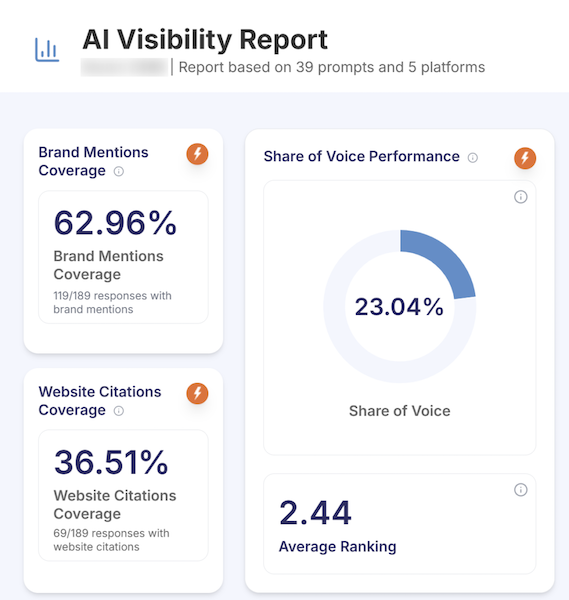
- New metrics include prompt coverage, AI positioning, and brand lift.
- The future of ROI is not traffic but a trusted presence in AI answers.
Introduction
Marketers have long measured success by where they appear on Google’s search results. But as AI engines like Gemini, ChatGPT, and Perplexity start delivering direct answers, those traditional metrics are losing meaning.
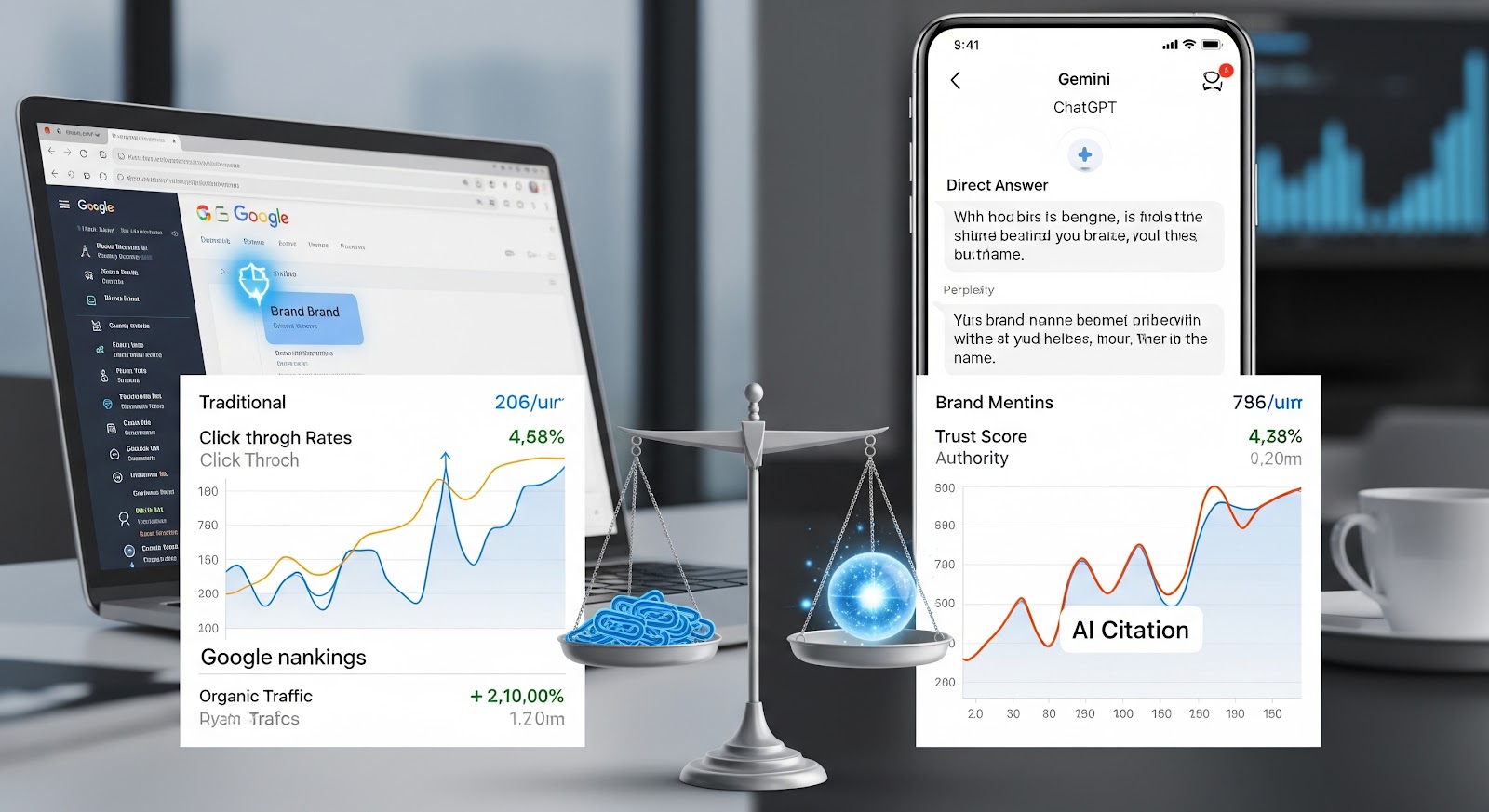
When an AI cites your brand inside an answer — even without a click — it signals trust and authority in a way no blue link ever could. So, how do you compare the ROI of an AI citation versus a Google ranking?
A fundamental shift is underway: discovery is moving from click-based journeys to influence-based journeys, where users form preferences before visiting any site. In this model, visibility inside AI answers becomes the first, and sometimes only, point of brand exposure.
How does ROI differ between traditional SEO and AEO?
Traditional SEO ROI is typically tracked through traffic, clicks, and conversions. You rank high, attract visitors, and measure what percentage of them convert.
But in AI search, ROI shifts from clicks to visibility influence. A brand mentioned or cited in an AI answer gains reach even when users never visit the website. This is what we call “zero-click ROI.”
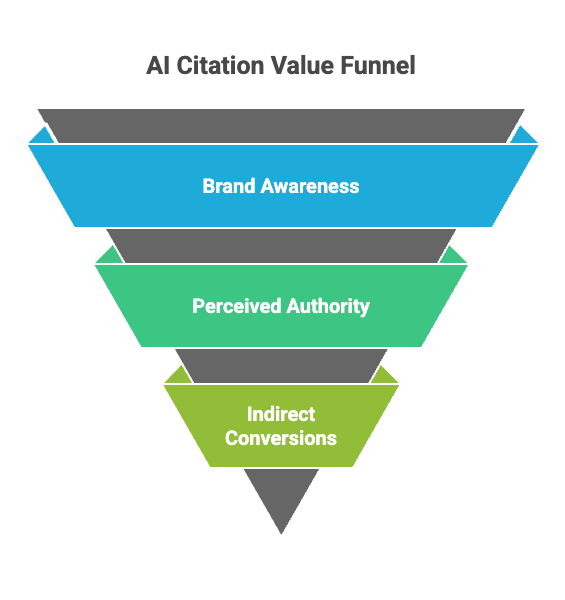
AI citations build three compounding value streams:
- Brand awareness: Users remember names mentioned in AI summaries.
- Perceived authority: AI mentions position your brand as a reliable expert.
- Indirect conversions: Even if the initial query ends on an AI platform, users later search, follow, or buy from you directly.
Also read: How Will Google AI Overviews and ChatGPT Change SEO for Your Business?
In other words, the return is not just measured in visits — it’s earned in trust.
Another key difference is timing of impact. Traditional SEO ROI is often immediate and session-based, while AEO ROI is delayed and cumulative, influencing future actions such as branded searches, direct traffic, and higher conversion intent over time.
This also changes funnel dynamics, where AI citations increasingly influence the top and mid-funnel simultaneously, compressing the journey between awareness and consideration.
Why are AI citations more valuable in the long term?
Google rankings fluctuate with algorithm updates. AI citations, however, compound because they’re based on data credibility and entity recognition — both of which strengthen over time.
When your brand becomes part of an AI’s “knowledge graph,” it gets referenced repeatedly across multiple queries and contexts. This visibility is persistent, not episodic.
That persistence creates three types of measurable advantage:
- Brand Equity ROI: Each citation is a digital endorsement, building intangible brand capital.
- Cost Efficiency ROI: You spend less on paid reach when your brand organically appears in AI recommendations.
- Reputation ROI: Users assume cited brands are leaders — influencing future decisions, even offline.
Learn: What Does It Mean to Become an Authoritative Entity for AI Engines?
AI systems also exhibit reinforcement behaviour, frequently cited sources are more likely to be cited again, as models optimise for consistency and confidence. This creates a compounding loop where early visibility leads to sustained dominance.
Additionally, citations often extend beyond a single query. Once established, a brand may appear across adjacent topics and related prompts, expanding its influence footprint without proportional content investment.
How can brands quantify citation ROI in practice?
Start by expanding your analytics framework beyond traffic. Track three new indicators:
- AI Mentions: How often do AI tools name or describe your brand.
- Domain Citations: When an AI links or references your website as a source.
- Conversation Share: How frequently your brand appears across generative answers versus competitors.
These metrics together form your AEO Visibility Index — a more complete measure of digital authority in the AI era.
Learn: How to Track AI Citations and Measure Their Impact on Leads and Sales?
Over time, compare these metrics with your conversion and brand-recall data. You’ll find that AI citation visibility correlates closely with inbound lead quality and long-term brand preference.
Advanced teams are also beginning to track:
- Prompt-Level Performance: Which high-intent queries your brand appears in.
- Average AI Positioning: Whether your brand appears early or late in generated answers.
- Citation Consistency: How reliably your brand is mentioned across repeated prompts.
Another emerging metric is Zero-Click Brand Lift, or the increase in branded search volume and direct traffic following AI exposure, even when no click occurs at the initial interaction.
Combining these metrics with CRM or sales data helps establish a clearer link between AI visibility and revenue outcomes, bridging the gap between awareness and conversion attribution.
Conclusion
Ranking earns you clicks.
Being cited earns you credibility — and credibility compounds. In the era of generative search, the ROI of trust will outlast the ROI of traffic.
As AI becomes the primary interface for discovery, brands that optimise for citation will capture not just attention, but decision influence at scale, often before competitors even enter the consideration set.